
Replacing a Storm Damaged Fence on James Island
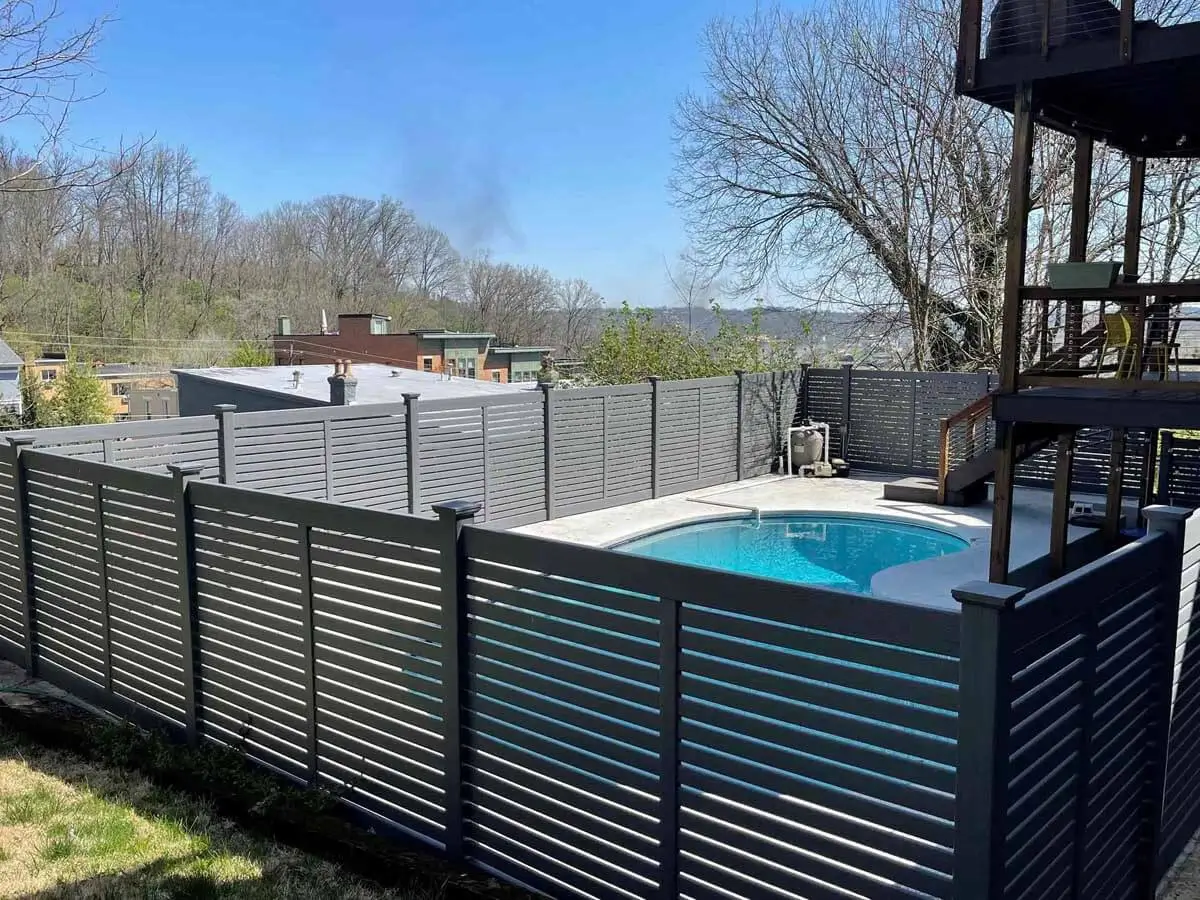
A fence that took a hit over storm season does not always look ruined at first glance. Sometimes the damage runs deeper than what you see from the porch, especially on James Island where the coast works against outdoor structures.
What Makes James Island Tough on Fences
Properties sitting close to the marsh deal with constant exposure to salt on the breeze, and that salt eats through standard steel hardware faster than most people expect. You might notice your screws and brackets looking rough before the panels show any trouble.
The ground works against you too. James Island soil holds water after heavy rain, and that saturation pushes against fence posts from all sides. A post that stood straight in dry soil can start tilting once the ground turns soft. The closer you sit to tidal water, the more often this happens.
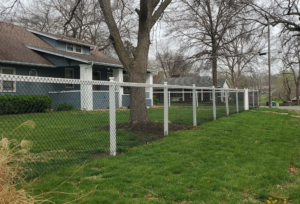
Wind is the third piece. Solid panel fences take the full force of a storm because there is nowhere for that energy to go. Designs with spacing between pickets let air move through, which means less stress on the posts and rails.
Spotting Damage That Matters
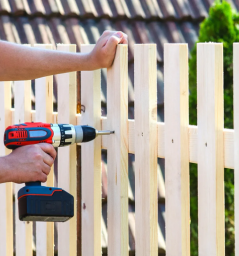
Not every lean means you need a full replacement. Walk the fence line and push gently on posts. If they feel firm in the ground, the foundation is probably solid. Check where rails connect to posts and look for fasteners that have pulled loose or bent brackets.
Pay attention to the bottom of wood posts where they meet the ground. That is where rot starts, and on James Island it starts sooner because of the soil moisture. If a screwdriver sinks into the base of a post easily, that post is done.
Gaps between panels or sections out of line usually point to post movement. Replacing just the panels without fixing the posts means you will be back out there after the next storm.
Picking Materials That Survive the Coast
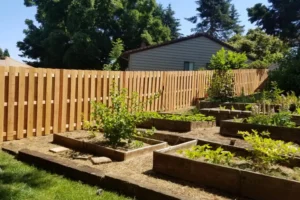
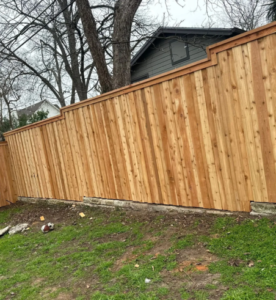
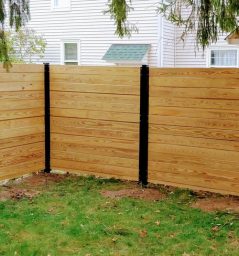
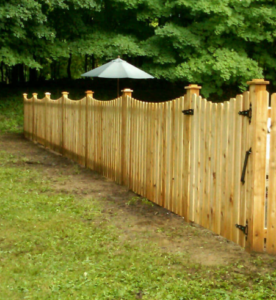
Wood gives you the look most people associate with James Island, but it demands regular sealing to hold up against humidity and salt. Skip that maintenance and you will see warping within a couple of seasons.
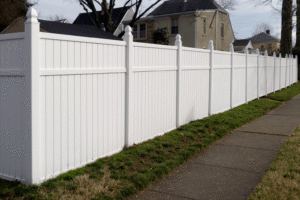
Vinyl takes salt air and moisture without upkeep and does not rot. Extended sun can make it brittle over time though.
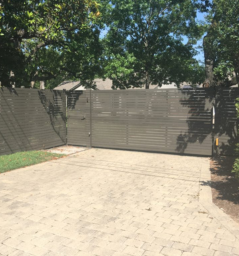
Aluminum handles wind well with its open profile and will not corrode near the marsh. It keeps working for decades with almost no attention.
Taking the Next Step
If your fence took damage and you are not sure whether a repair will hold or if the whole line needs replacing, an honest assessment will save you from throwing money at a fix that will not last.
Charleston Fencing Pros works on James Island and can give you a straight answer about what your fence needs. Reach out through their website for a free assessment.
Frequently Asked Questions
How do I know if my fence posts are still good after a storm?
Push on them. If a post moves easily or the ground feels soft, the footing has likely shifted. On James Island the soil stays wet longer near the marsh, which makes post movement more common.
Should I try fixing storm damage myself or call a contractor?
Small fixes like tightening a hinge or replacing a single picket are reasonable DIY tasks. But leaning posts, shifted sections, and widespread panel damage usually mean a structural issue that needs a professional.
What fence material holds up best near the water on James Island?
Aluminum resists corrosion and handles wind with its open design. Vinyl stands up to salt air without rotting. Wood works but needs regular sealing near the coast. The right pick depends on how much maintenance you want to take on.
Do I need a permit for fence replacement on James Island?
Rules vary based on where your property sits relative to tidal areas and what your local building department requires. A contractor who works James Island will know which rules apply.